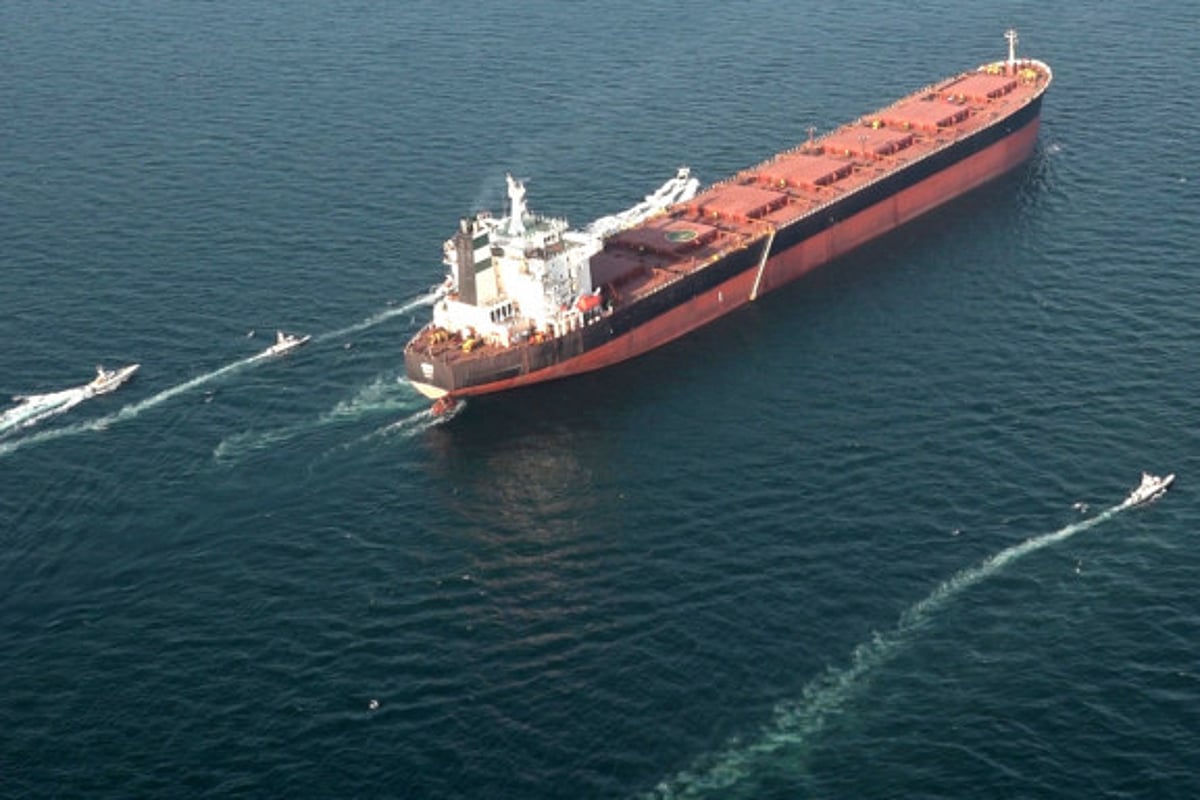
Strait of Hormuz Blocked: Why Global Oil Prices Are Skyrocketing
The global energy landscape is currently in turmoil, with oil prices experiencing their most significant surge in four years. The catalyst? Escalating conflict in the Middle East, specifically the direct impact of the Iran war on oil supply routes, culminating in the closure of the crucial Strait of Hormuz. This geopolitical flashpoint has sent shockwaves through international markets, with economists and energy experts closely monitoring developments. What started as a staggering 13 percent overnight jump in crude oil prices has now settled, for the moment, at a substantial 7 percent increase, pushing Brent crude to approximately $77 per barrel from a stable $72 just days prior. But what does this mean for the global economy, your energy bill, and the price at the pump?
The Strait of Hormuz: A Global Chokepoint Under Threat
At the heart of this crisis lies the Strait of Hormuz, a narrow waterway connecting the Persian Gulf with the Arabian Sea and the open ocean. Its strategic importance cannot be overstated. The Gulf States, including major producers like Saudi Arabia, Qatar, Kuwait, and the UAE, collectively account for roughly a third of the world's oil and liquefied natural gas (LNG) production. The vast majority of these vital energy resources must traverse the Strait of Hormuz on massive tanker ships destined for markets across Asia, Europe, and the Americas.
According to Erik Joly, chief economist at ABN AMRO Belgium, an astounding 20 million barrels of oil equivalent – approximately 20 percent of global daily oil consumption – passes through this strait every single day. The same critical pathway applies to a significant portion of the world's LNG supply. When the Iran conflict drives oil prices up, it's often due to perceived threats to this maritime artery.
The current crisis intensified significantly when Iran's Revolutionary Guard announced the closure of the Strait of Hormuz for shipping, following reported US and Israeli attacks. The subsequent attack on an Omani tanker served as a stark, tangible warning, rendering passage through the strait immensely dangerous. As a direct consequence, maritime transport through this vital channel has effectively ground to a halt. This immediate disruption to the Iran war oil supply chain forces oil traders and investors to factor in a substantial risk premium, directly contributing to the upward spiral of oil prices.
The Immediate Fallout on Oil Markets and Beyond
The initial 13 percent surge in oil prices, the largest daily increase in four years, clearly indicates the market's acute sensitivity to geopolitical instability in the Middle East. While this initial spike has tempered to around 7 percent, the sustained elevation of Brent crude prices underscores a deep-seated anxiety regarding future supply certainty.
This "risk premium" is essentially an insurance cost added to the price of oil. Traders are demanding more compensation for the increased risk of transporting oil, or for potential future supply shortages. It reflects the market's fear that the flow of oil could be further curtailed, either by continued blockades, direct attacks on infrastructure, or broader regional conflict.
In response to the escalating situation, OPEC+ – a group comprising OPEC members and other major oil-producing nations like Russia – announced a modest increase of 206,000 barrels per day in production. This move was intended to inject some calm into the volatile oil market and counteract panic selling. However, experts like Erik Joly view this as largely symbolic. On a global scale, where approximately 100 million barrels of oil are consumed daily, an increase of 206,000 barrels represents a mere 0.2 percent of total consumption. It's, as Joly noted, "a drop in the ocean" compared to the scale of potential disruption from the Iran war oil supply issues.
The impact isn't limited to crude oil. The price of natural gas, particularly LNG, is also under severe pressure. Many European nations, including the Netherlands, have been working to build up gas reserves. However, the timing of this conflict is "highly unfortunate," especially for countries with historically low gas stockpiles. Gasunie, a Dutch gas infrastructure company, had previously warned that "unexpected things" like a blockade of the Strait of Hormuz would be disastrous. This now appears to be a reality, threatening to drive up domestic energy bills significantly. As the Iran war's economic impact reverberates, consumers should prepare for higher energy prices ahead.
What Happens Next? Factors to Watch and Practical Tips
The critical question remains: will oil prices continue their upward trajectory? According to Moniek de Jong, a postdoctoral researcher in energy security at Friedrich-Alexander University in Nürnberg, further price increases of 5 to 15 percent are plausible, primarily driven by the overarching uncertainty surrounding the conflict's duration and scope.
Investors and analysts are closely monitoring three key factors that will dictate the market's direction:
- Geopolitical De-escalation: The most crucial factor is whether diplomatic efforts can de-escalate the conflict and restore safe passage through the Strait of Hormuz. Any signs of easing tensions could bring prices down, while further escalation would undoubtedly drive them higher.
- Impact on Production Facilities: Beyond the strait, market participants are watching for any direct impact on oil and gas production facilities within the Gulf region. Widespread damage or prolonged shutdowns would have catastrophic consequences for global supply.
- Global Strategic Reserves and Demand: The willingness of major economies to tap into strategic oil reserves could offer temporary relief. Concurrently, shifts in global demand, perhaps dampened by economic slowdowns or increased energy efficiency, could also play a role.
Practical Tips for Consumers and Businesses:
- Monitor Energy Consumption: In times of volatile prices, understanding and optimizing your energy usage becomes even more critical. Simple measures like improving home insulation, using energy-efficient appliances, and adjusting thermostat settings can make a difference.
- Stay Informed: Keep a close eye on geopolitical developments and energy market news. Reliable information from financial news outlets and energy agencies can help you anticipate trends.
- Consider Fixed-Rate Energy Contracts (with caution): If you have access to various energy contract types, consider if a fixed-rate option might offer more predictability, although these often come with a premium during volatile times. Always compare carefully.
- Support Renewable Energy: For long-term resilience against fossil fuel price shocks, supporting and investing in renewable energy sources remains a strategic imperative.
- Budget for Higher Costs: Businesses reliant on transport or energy-intensive operations should review their budgets and consider potential cost increases in the coming months. Supply chain managers should explore alternative, albeit potentially more expensive, shipping routes if possible.
The current disruption stemming from the Iran war oil supply issues and the blockade of the Strait of Hormuz is a stark reminder of the fragile interconnectedness of global energy markets and geopolitical stability. While the immediate focus is on the fluctuating price of a barrel of oil, the ripple effects will be felt at gas stations, in household energy bills, and across the broader economy. The coming weeks will be crucial in determining the path forward, emphasizing the urgent need for de-escalation and a return to stability in this critical region.